Pilates has become one of the most popular ways Australians exercise. You will find reformer studios in suburbs and regional towns, mat classes at gyms and community halls, and clinical Pilates offered by physiotherapy practices. Yet for a newcomer the vocabulary can be bewildering: reformer, Cadillac, clinical, classical, contemporary, "the hundred". Find Pilates exists to cut through that.
We are an independent guide. We do not run classes, sell memberships or rank studios. Instead we explain how each style of Pilates works, who it tends to suit, what to look for in an instructor and studio, and how to get started safely, with links to authoritative Australian health sources.
What Pilates is, in a sentence
Pilates is a system of controlled, low-impact exercises that train strength, flexibility, posture and body awareness, with particular attention to the deep muscles of the trunk that support the spine. Joseph Pilates called his method "Contrology", reflecting the idea that the mind should control the muscles. Read the full story in our history of Pilates.
1883
Joseph Pilates born
In Mönchengladbach, Germany
1945
Return to Life published
His book on Contrology
150 min
Weekly activity guideline
Moderate activity for adults, at minimum
The main styles of Pilates
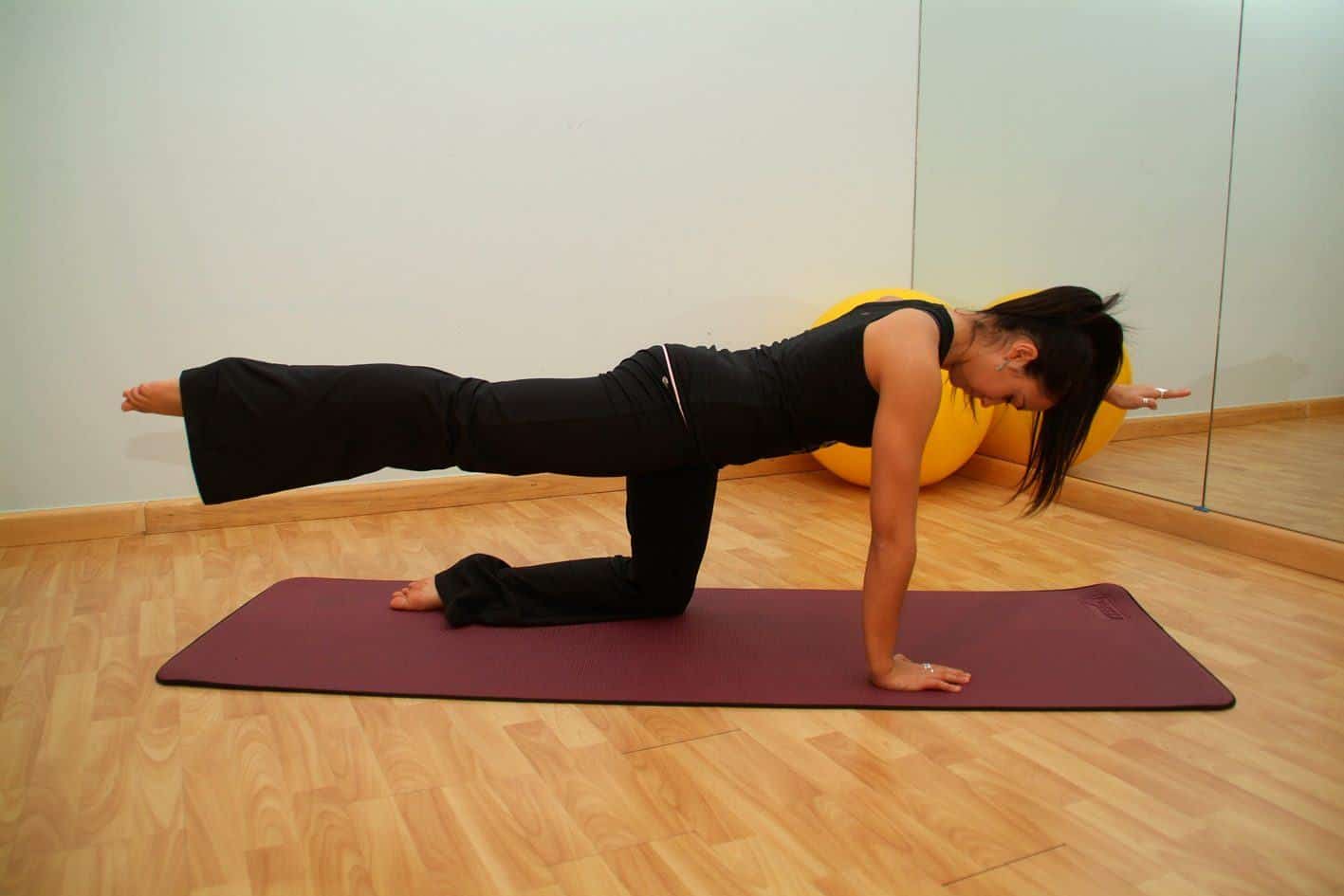
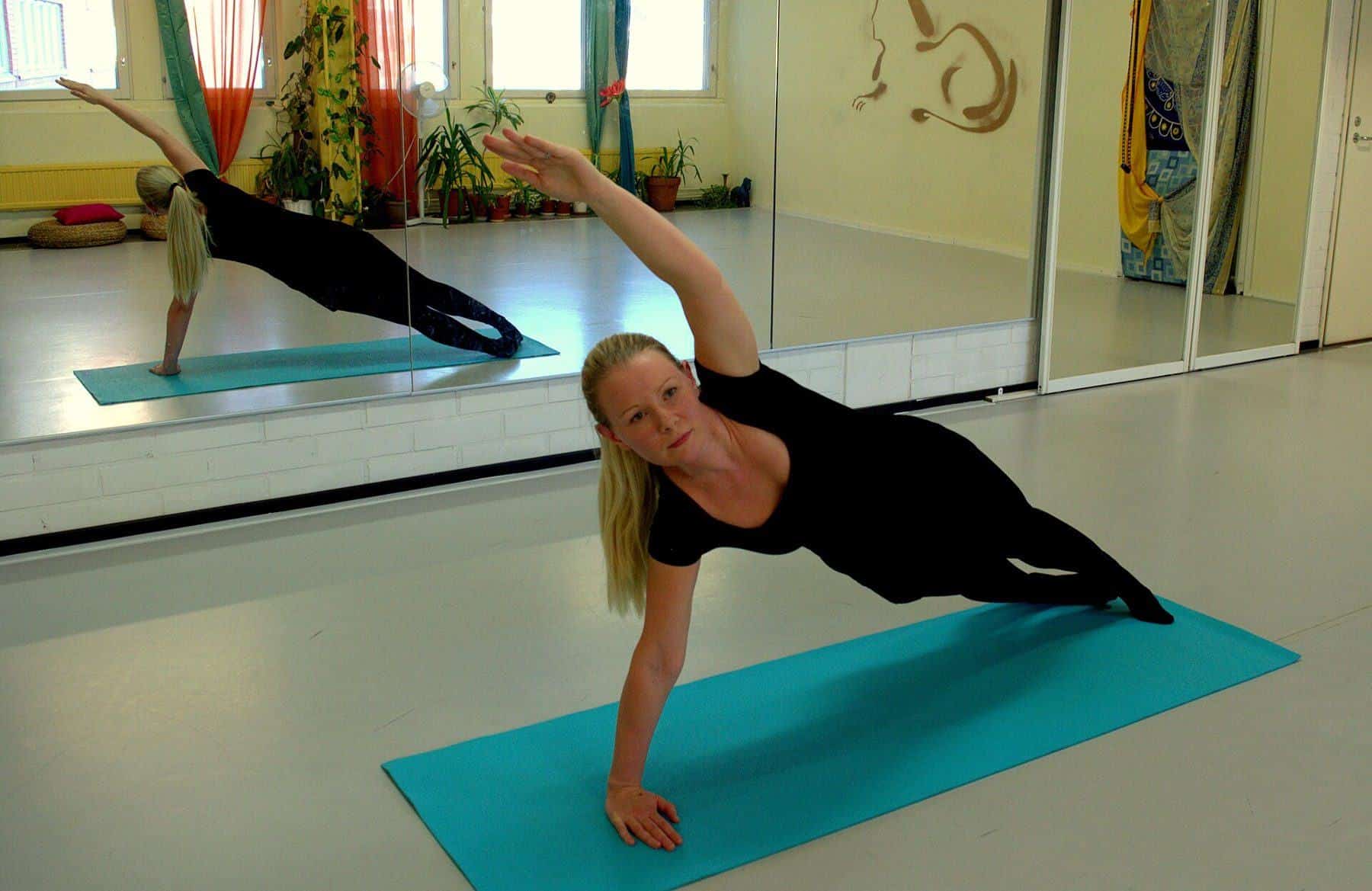
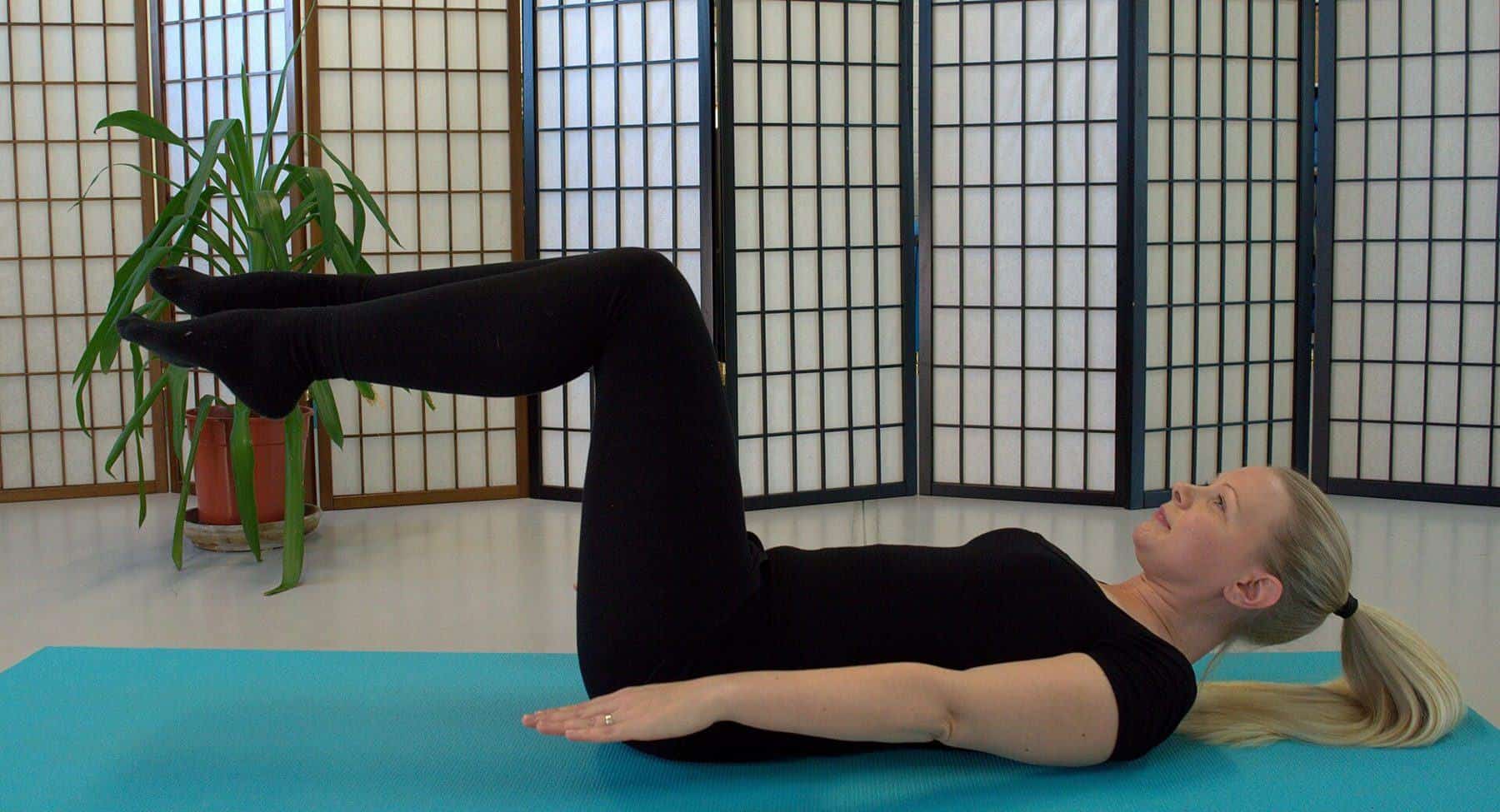
Mat Pilates uses your body weight, gravity and sometimes small props such as balls, bands and rings. It is the foundation of the method and the easiest style to practise at home.
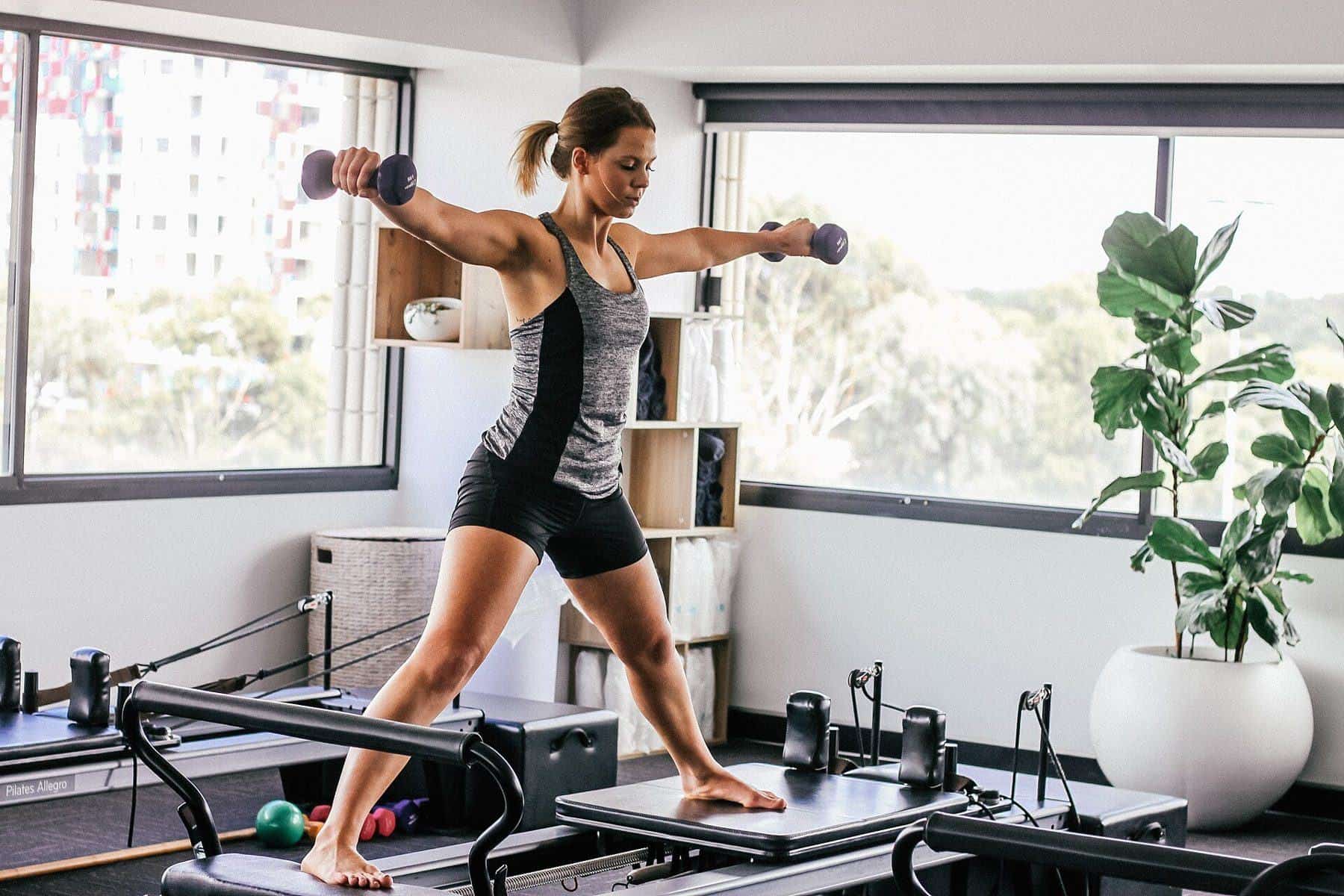
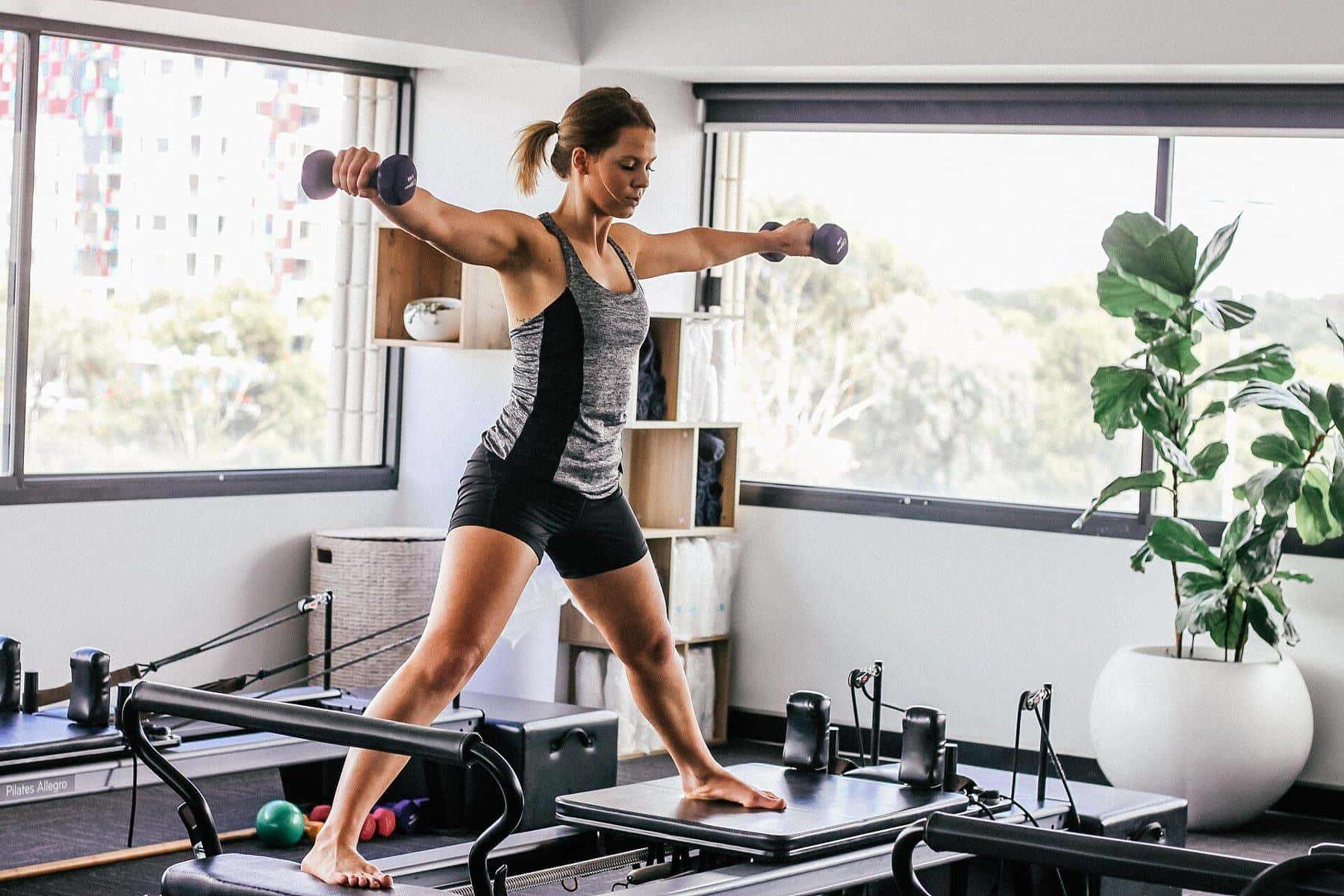
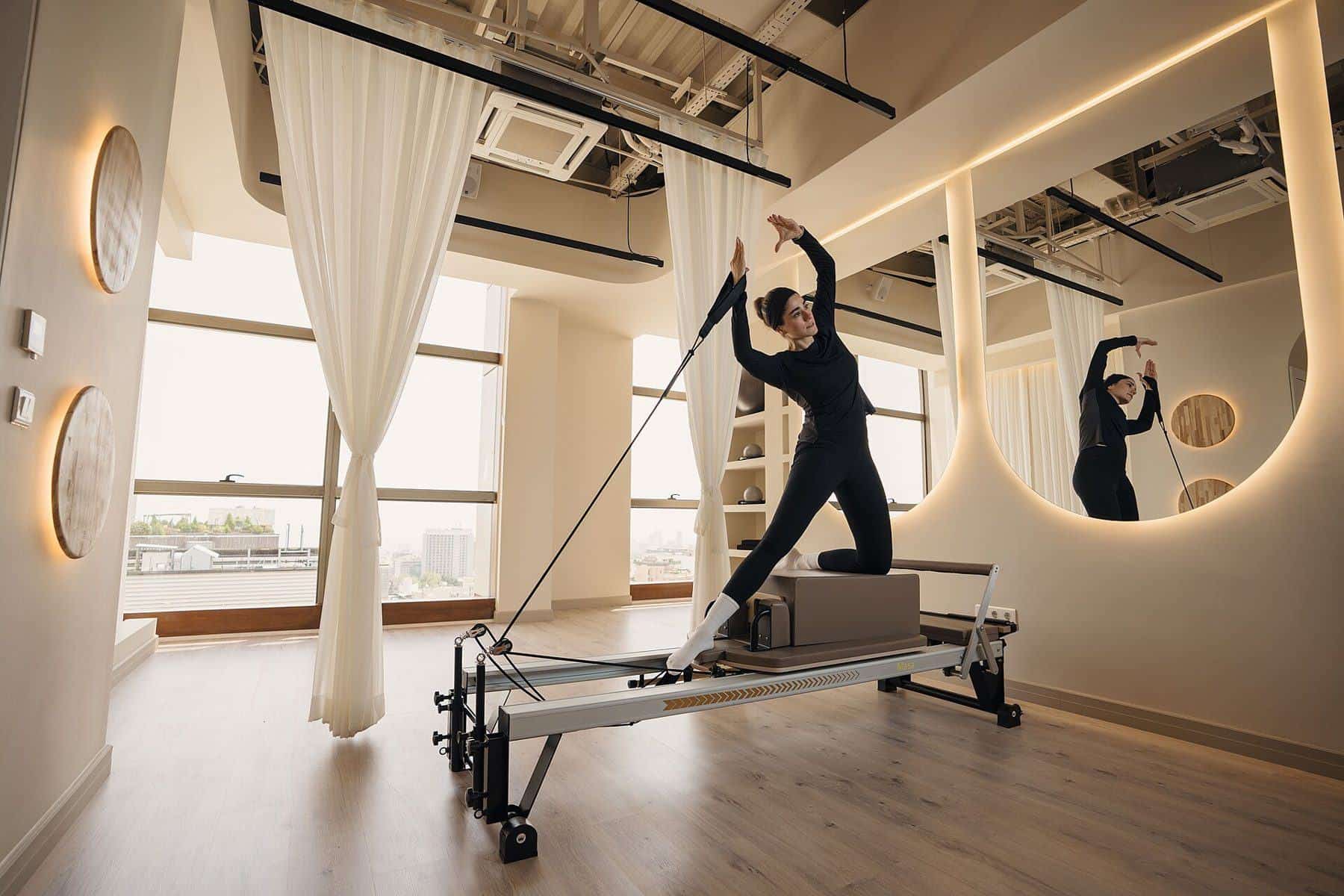
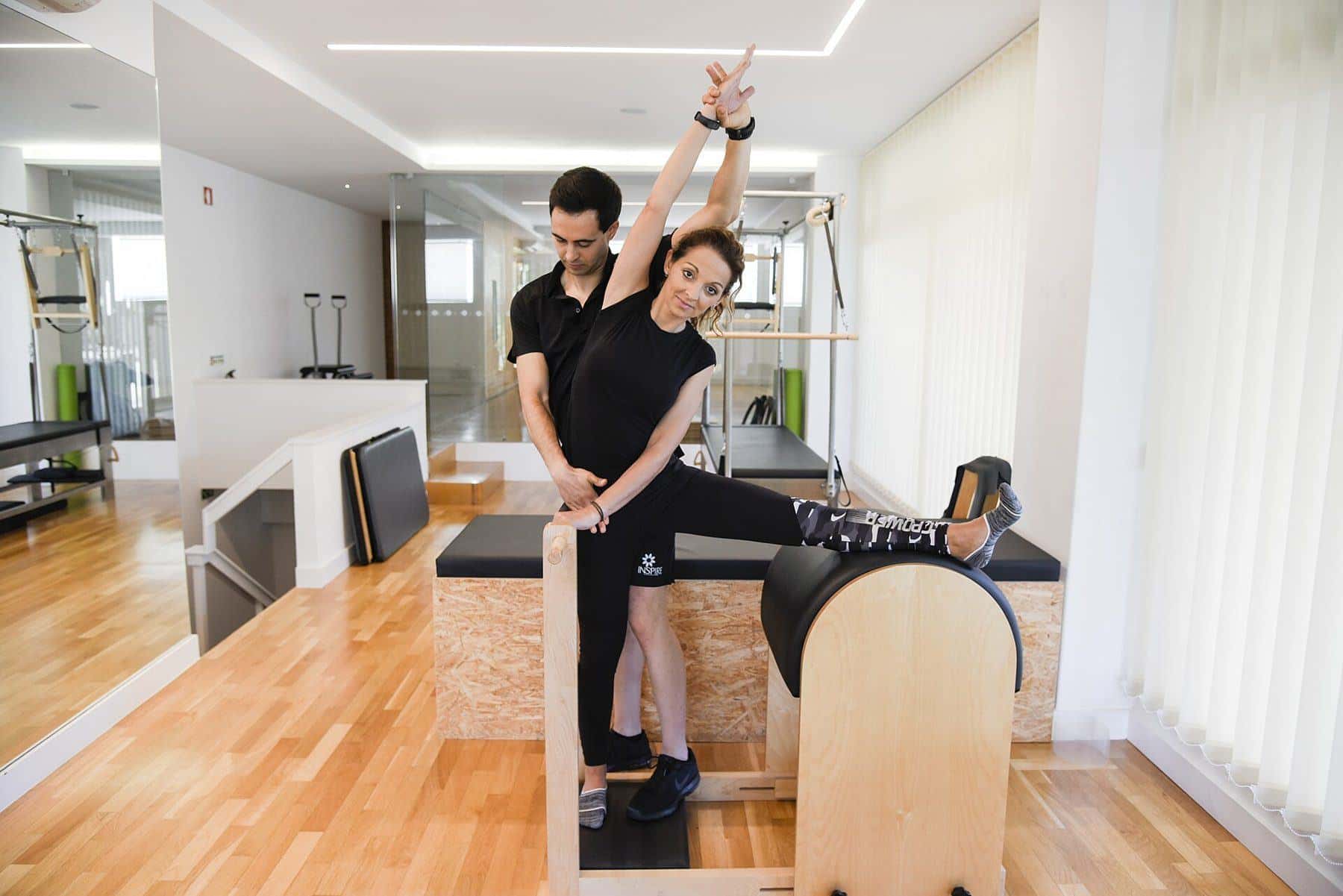
Reformer Pilates takes place on a sliding carriage with springs, straps and a footbar. The springs can assist or resist you, which makes the reformer adaptable for beginners and challenging for experienced students.
Clinical Pilates is delivered by physiotherapists and other health professionals, usually after an assessment, as part of rehabilitation or management of a condition.
Pregnancy and postnatal Pilates adapts exercises to each trimester and to recovery after birth, with clearance from your doctor or midwife.
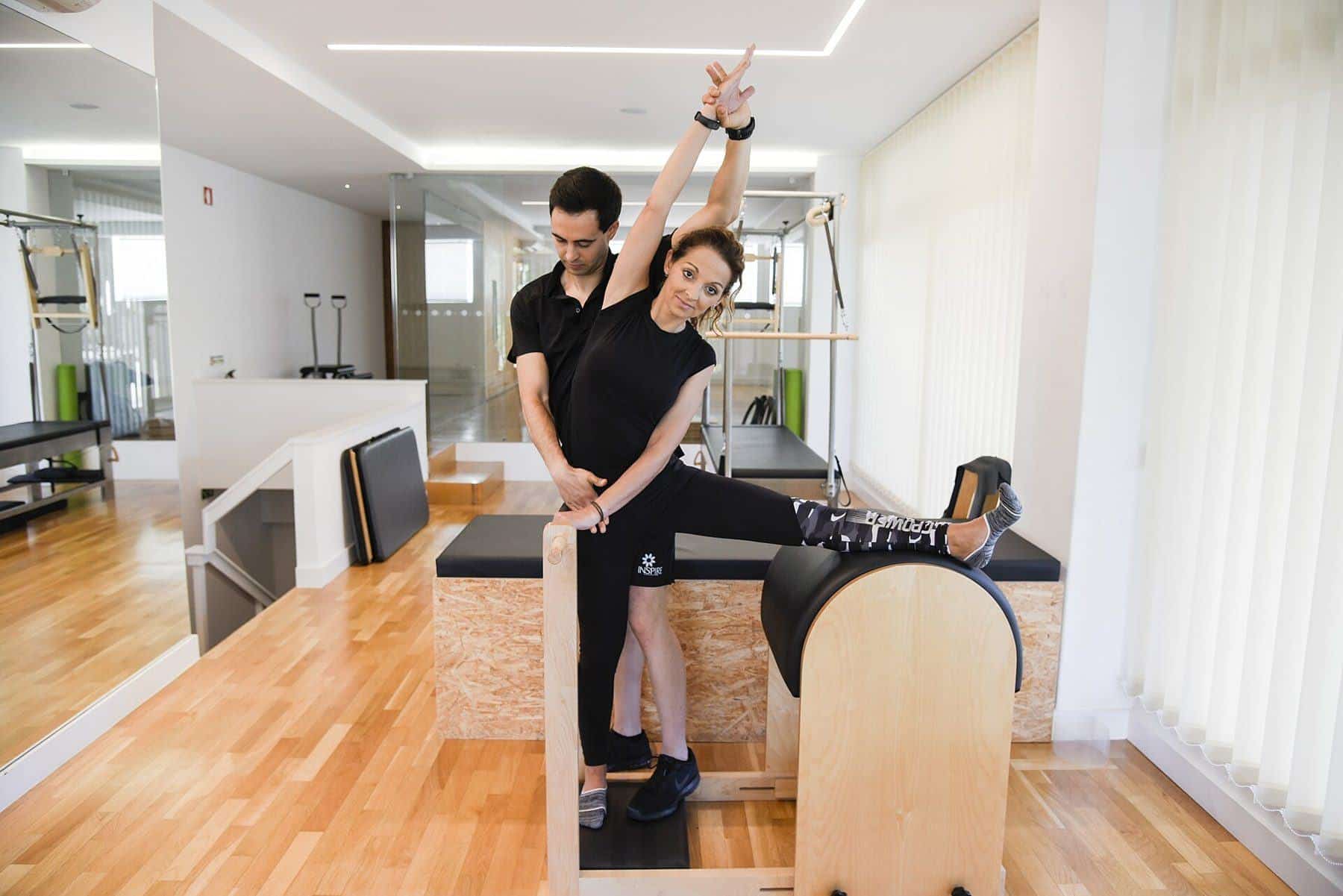
Beyond these, studios use other apparatus that Joseph Pilates designed, including the Cadillac (trapeze table), the Wunda Chair and the Ladder Barrel. Our equipment guide explains what each does.
How to choose where to start
Think about three things: your health, your goals and your budget.
If you are generally healthy and want to get stronger and move better, a beginner mat or reformer class is a good start. If you have an injury, ongoing pain, a recent operation or a health condition, start by talking to your doctor or physiotherapist. Clinical Pilates may be appropriate. If you are pregnant or have recently given birth, look for classes run by instructors trained in pre and postnatal exercise and check with your health professional first.
Budget matters too. Group mat classes are generally the cheapest option, group reformer classes cost more, and private or clinical sessions cost the most because you receive one-on-one attention. Prices vary widely between cities and studios, so compare a few before committing. Many studios offer introductory packs.
Your first class
Arrive early, tell the instructor about any injuries or conditions, and wear comfortable fitted clothing. Many studios ask you to wear grip socks for hygiene and safety on the equipment. Expect slow, precise movements and a lot of attention to breathing. Our first-class guide walks you through it.
Finding a good studio and instructor
Pilates is not a regulated profession in Australia, so anyone can call themselves a Pilates instructor. Look for instructors with a recognised comprehensive or mat certification, current first aid, and insurance, and ideally membership of an industry body. Our guide to choosing a studio lists the questions to ask, and find a studio explains how to search in your city or town.
Practising at home
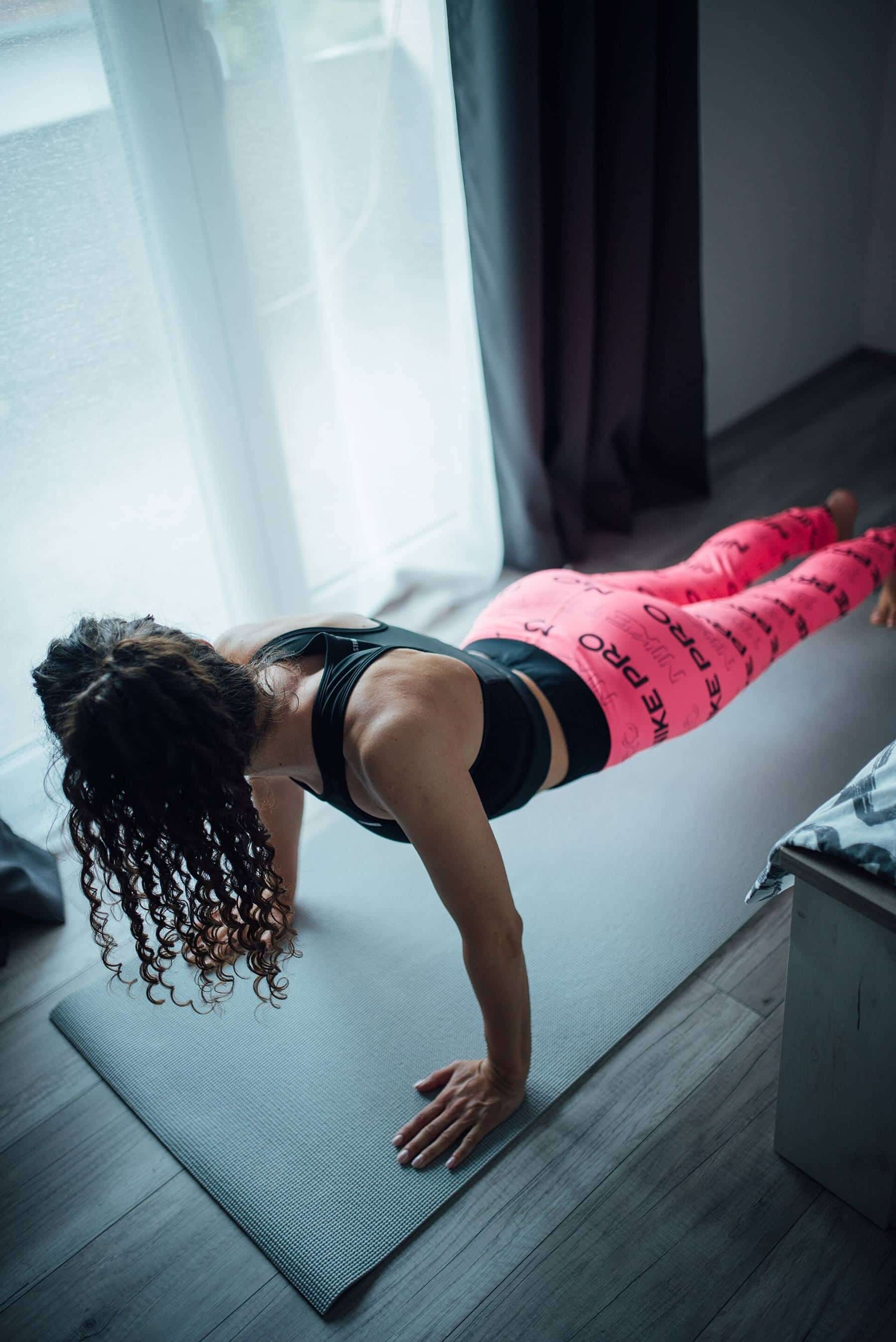
You do not need a studio to benefit from Pilates. With a mat, a little space and a good instructor-led program, you can build a home practice that complements studio classes. See Pilates at home.
What the evidence says
Pilates is enjoyable and adaptable, and research shows it can improve muscle conditioning, flexibility and balance in healthy adults compared with doing no exercise. For chronic low back pain, evidence suggests it is better than doing nothing but not clearly better than other forms of exercise. In short: it is good exercise, not a cure-all. We avoid exaggerated health claims and link to the evidence where we can.
About Find Pilates
From around 2014, findpilates.com.au hosted a directory of Pilates studios across Australia, organised by state and suburb. That directory is no longer running. Find Pilates relaunched in 2026 as an independent editorial guide, written from scratch. Read more about us and our editorial policy.